
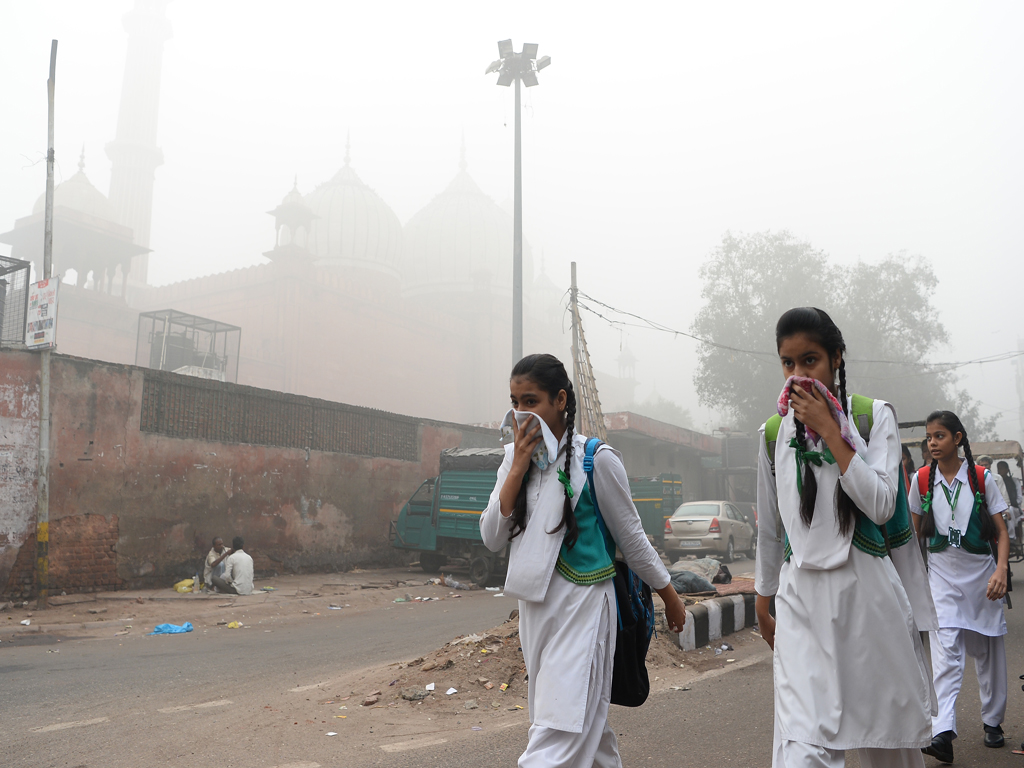
Pakistan has been struggling with an extreme smog crisis, particularly in major cities like Lahore, Karachi, and Islamabad. This toxic mix of air pollutants has become a persistent environmental issue, leading to serious health risks, economic losses, and social unrest. As air quality continues to worsen with no relief in sight, urgent and effective measures must be implemented to address this escalating crisis.
Understanding the Smog Problem in Pakistan
Smog results from industrial discharge, vehicle emissions, agricultural waste burning, and unfavorable weather conditions that trap pollutants in the atmosphere. With rapid urbanization and growing industrialization, Pakistan has experienced a sharp rise in air pollution levels, placing many of its cities among the world’s most polluted.
The Air Quality Index (AQI) in Pakistan’s major cities frequently reaches hazardous levels, especially during winter when temperature inversions keep emissions near the ground. This dense layer of smog not only reduces visibility but also worsens respiratory diseases, making it a critical public health concern.
The Devastating Impact of Smog
- Health Hazards
The primary victims of smog are individuals who breathe in the toxic air daily. High concentrations of particulate matter (PM2.5 and PM10) contribute to severe respiratory and cardiovascular diseases. Common health issues associated with prolonged smog exposure include:
- Asthma and bronchitis
- Chronic obstructive pulmonary disease (COPD)
- Heart attacks and strokes
- Weakened immune system
- Premature deaths
Children and the elderly are particularly vulnerable, with a rise in lung infections and respiratory complications reported during periods of severe smog.
- Economic Impacts
Smog has a significant economic impact on Pakistan. The rising health issues lead to increased medical expenses and reduced productivity due to illness. Additionally, the transport sector is severely affected, as dense smog causes flight delays, road accidents, and traffic congestion, resulting in economic losses worth billions of rupees annually.
The industrial sector also suffers from frequent smog-related shutdowns, particularly in Punjab, disrupting businesses, slowing economic activity, and discouraging foreign investment.
- Environmental Degradation
Smog-related air pollution not only harms human health but also has adverse effects on the environment. One major consequence is acid rain, which depletes soil fertility and damages crops, leading to reduced agricultural production. Additionally, pollution disrupts ecosystems, posing a significant threat to wildlife and biodiversity.
The Root Causes of Smog in Pakistan
- Vehicular Emissions
Pakistan’s outdated transport infrastructure is a major contributor to air pollution. The widespread use of diesel-powered vehicles, coupled with low-quality fuel and a lack of emission controls, exacerbates the country’s smog problem.
- Industrial Pollution
Many industrial units and brick kilns operate without strict environmental regulations, releasing substantial amounts of harmful pollutants into the air. Most industries continue to rely on outdated technologies that emit elevated levels of carbon dioxide and particulate matter, further deteriorating air quality.
- Crop Burning and Deforestation
In Pakistan, farmers in Punjab and Sindh commonly burn crop residue after harvest, releasing large volumes of smoke into the air. Additionally, rapid deforestation and urbanization have significantly reduced forest cover, which would otherwise help absorb carbon dioxide and filter pollutants. This degradation further worsens air quality and harms the environment.
- Ineffective Implementation of Policies
Despite having environmental laws and policies in place, Pakistan struggles with poor enforcement and political indifference, leading to ineffective implementation. Corruption and lack of awareness further hinder efforts to combat smog and air pollution.
Clearing the Air: Smart Solutions for a Clean and Bright Future
Although the issue is severe, several measures can help Pakistan combat smog and improve air quality. Here is how:
- Transition to Clean Energy and Green Technologies
Effective utilization of renewable energy sources such as solar, wind, and hydroelectric power can significantly reduce reliance on fossil fuels. Industries must adopt green technologies and implement strict emission control measures to curb pollution.
- Promoting Sustainable Transportation
- Enforcing stringent emission standards for vehicles and transportation.
- Encouraging the use of electric and hybrid vehicles over fuel-powered ones.
- Promoting public transportation to reduce the number of private cars on the roads.
- Developing cycling-friendly and pedestrian-friendly urban infrastructure.
- Regulating Industrial and Agricultural Practices
- Strengthening enforcement of environmental regulations on factories and brick kilns.
- Promoting sustainable alternatives to crop burning, such as bio-decomposers.
- Implementing large-scale reforestation programs to restore green cover and improve air quality.
- Public Awareness and Government Policies
- Establishing air quality monitoring systems to provide real-time pollution data.
- Conducting public awareness campaigns on smog’s impact and preventive measures.
- Encouraging eco-friendly waste disposal and reducing plastic pollution.
- Collaborating with international organizations for technical and financial support.
Alleraid: A Tech-Driven Solution to Combat Smog
One of the most effective solutions to Pakistan’s smog crisis is the AllerAid app, an advanced digital tool designed to monitor and combat air pollution. By providing real-time air quality updates, AllerAid enables users to make informed decisions about outdoor activities. The app utilizes user-inputted data to forecast local pollution levels and offers guidance on essential safety measures such as wearing masks, using air purifiers, and avoiding high-risk areas.
Key Features of Alleraid:
- Live AQI Monitoring: Real-time air quality tracking across different locations.
- Health Alerts: Notifications about hazardous pollution levels with recommended safety precautions.
- Eco-Friendly Tips: Guidance on reducing carbon footprints and adopting sustainable practices.
- Community Engagement: Encourages users to identify pollution sources and participate in green initiatives.
Conclusion: A collective responsibility
Pakistan’s smog crisis requires immediate action from the government, corporations, and citizens. Effective air pollution control demands strict enforcement of regulations, sustainable urban planning, and active public participation.
The AllerAid app serves as a valuable tool in this fight, providing crucial real-time data and raising awareness about pollution’s impact. By embracing clean energy solutions and leveraging technology like AllerAid, Pakistan has the potential to set a global example for a cleaner, smog-free environment.
Now is the time to act—before the air we breathe becomes an irreversible threat to health and well-being.