
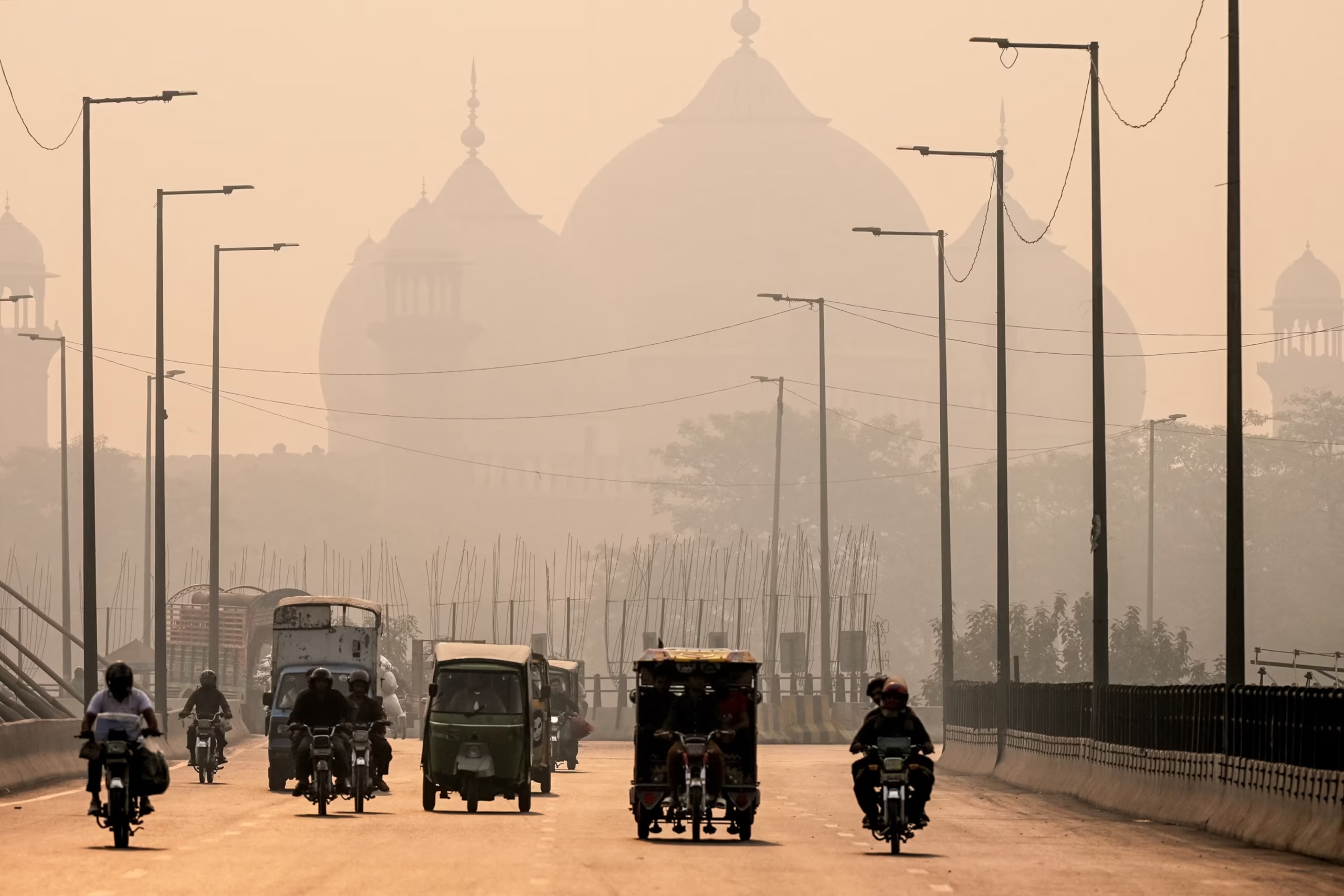
Dust pollution has become a major environmental and health concern in Pakistan, with the major contributors being industrial and vehicular emissions. The speed of growth in industries, non-regulated emissions, and ever-increasing numbers of vehicles result in high airborne levels of dust and particulate matter. This polluting effect not only hampers visibility and infrastructural development but also poses serious threats to the health of millions across the country.
Industrial Pollution as a Cause
In Pakistan industries are one of the largest sources of dust pollution in urban cities such as Karachi, Lahore, and Faisalabad. The following are some of the major industrial sources of dust emissions –
- Cement and Brick Klin Industries:
Cement factories and brick kilns emit tremendous quantities of PM10 and PM2.5 into the air. The grinding, mixing, and heating of raw materials turn into small airborne particles that stay on roads, homes, and farmland. Many factories are not equipped with proper filters, causing the dust particles to escape into the surrounding areas.
- Steel and Textile Industries: Metallic dust produced by the steel industry is dangerous when inhaled. Textile mills produce dust from fabric that combines with industrial emissions, exacerbating air pollution. These industries usually lack adequate pollution control measures; hence a high concentration of dust in the surrounding areas.
- Mining and Quarrying Activities: The mining industry, especially in Baluchistan and Khyber Pakhtunkhwa, releases large dust clouds. Blasting and drilling emit silica dust also poses a threat to the workers as well as the nearby residents.
Vehicular Pollution and Dust Generation
With rapid urbanization and population increase, Pakistan has experienced rising numbers of vehicles on roads. Let’s look at the main reasons:
- Unmetalled and Deteriorated Roads: Most of the roads in Pakistan, especially in rural and semi-urban regions, are unmetalled, causing severe dust emissions.
- Diesel and Petrol Emissions: Old vehicles, which mainly run on bad fuel, produce carbon soot and fine dust.
- Traffic Congestion: The resulting heavy traffic creates more idling and emissions that concentrate pollution within urban centers. Motorcycles, rickshaws, and buses are major sources of localized dust problems, mainly in crowded marketplaces.
Impacts and Solutions to Industrial and Vehicular Dust Pollution with the AllerAid App
- The AllerAid App is an innovative tool for tracking air quality and monitoring allergy symptoms. It can help combat dust pollution by connecting real-time data with personal health management. Thus, users can protect themselves from the harmful effects of their environment.
- There has been a growing crisis of dust pollution in Pakistan caused by industrial and vehicular emissions, which affect public health and have disastrous consequences on the environment and quality of life. The AllerAid App, by monitoring allergies and air quality, offers value-added solutions to manage these emerging issues through its real-time data, personal health insights, and preventive measures.
Impacts of Industrial and Vehicular Dust Pollution
- Severe Health Issues
- Respiratory Diseases: Particulate matters PM2.5 and PM10 will turn into diseases like asthma, chronic lung diseases, and bronchitis.
- Cardiovascular Problems: Small particles, such as dust pollutants are found within the bloodstream, resulting in heart attacks and strokes among human beings.
- Allergic Reactions: Air pollution affects the general well-being and causes various allergies, including eye and throat irritation.
- Environmental Damage
- Smog Formation: Formed when dust and vehicle emissions get mixed up with the pollutants and smoke over cities such as Lahore and Karachi.
- Soiling and Water Pollution: Particles from industry will also soil the ground and water, affecting farming and the marine world.
- Reduced Visibility: Dusty clouds reduce visibility on the roads, increasing the risk of road accidents.
- Economic Consequences
- Healthcare Costs: As more people suffer from respiratory problems because of air pollution, medical costs increase accordingly.
- Reduced Productivity: Bad air quality can cause employees to fall ill, reducing overall work efficiency.
How the AllerAid App Provides Solutions
- Tracking Allergies for Early Prevention:
- The AllerAid app allows users to log all their symptoms, such as sneezing, coughing, or labored
- The app helps users figure out the areas filled with dust and air pollution by analyzing the patterns.
- Users get customized health insights for preventive measures before symptoms worsen.
- Real-Time Air Quality Monitoring
- The app checks the AQI (Air Quality Index) of any location and provides updates that help users monitor pollution levels in the surrounding
- It monitors PM 2.5, PM 10, and other pollutants, allowing people to plan their outdoor activities accordingly.
- It informs the users about the bad air quality or the AQI of the area, so the users may take precautionary measures, such as using masks or staying indoors.
- Protective Measures and Health Recommendations
- AllerAid provides health tips on reducing dust exposure, such as the use of air purifiers and staying hydrated.
- It gives weather-driven advice, that is, how to avoid journeys outside in situations of dust storms or smog.
- Users receive medication reminders to effectively manage allergy symptoms.
- Community Awareness and Reporting
- The app informs its users about the high-dust areas and designs a crowdsourced database for the policymakers.
- It motivates sustainable practice, supports greening space and reduces automobile exhausts; supports pollution-free transport.
- Sharing AQI data enables users to make appropriate decisions regarding their
Conclusion
The growing dust pollution problem in Pakistan is attributed to industrial and vehicular emissions. Environmental and health problems, coupled with economic losses, are direct consequences of dust pollution. The holistic solution to this problem lies in a multi-faceted approach that combines government regulations and technological solutions.
The AllerAid app plays a great role in controlling the impact of air pollution, as it helps individuals understand how to use real-time data and prevent health conditions in advance. From tracking allergies to monitoring AQI and offering specific recommendations to its users, AllerAid allows people to make the best choices to mitigate health risks in their daily lives. Furthermore, its community-oriented features motivate collective actions, further enhancing its usefulness in combating dust pollution.
In a world full of air pollution, AllerAid is a solution that ensures that individuals can self-control their health, breathe easier, and live happily and healthily!