
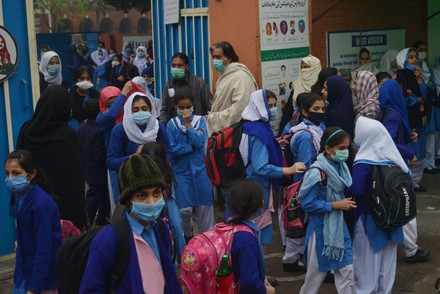
Though the COVID-19 pandemic has ostensibly receded, its aftershocks still jolt the health infrastructure of many countries—and Pakistan is no exception. Among the numerous health ailments emerging in the post-pandemic phase, respiratory illnesses have become especially prominent.
From lingering COVID symptoms to increased allergic reactions and pollution-induced asthma attacks, respiratory complications are now a daily struggle for thousands of people in Pakistan. While hospitals grapple with the rising number of cases, technology—such as the Aller Aid App—offers a glimmer of hope for symptom management, enhancing air quality awareness, and helping those with breathing difficulties.
Let’s take a look at the causes behind these respiratory issues, explore the major contributing factors, and highlight adaptable solutions:
The Post-COVID Respiratory Surge: A National Concern
Respiratory well-being in Pakistan has significantly deteriorated since the pandemic. According to local health news and pulmonologists, there has been a 40–60% spike in cases involving breathing complications since 2021. The most common conditions include:
- Chronic cough and shortness of breath
- Allergic rhinitis
- Post-COVID lung fibrosis
- Asthma exacerbations
- Persistent sore throat and congestion
- Fatigue and chest tightness due to long COVID
These symptoms are more prevalent among individuals who recovered from COVID-19, particularly those who experienced moderate to severe infections.
Major Reasons Behind the Post-COVID Respiratory Crisis in Pakistan
- Lung Damage Post-Infection
COVID-19’s primary impact was on the lungs. In severe cases, the virus caused inflammation and scarring in lung tissue—commonly known as pulmonary fibrosis. While some recovered completely, others sustained permanent damage, leading to reduced lung function and chronic shortness of breath. - Environmental Pollution
Pakistan’s urban centers—Lahore, Karachi, and Islamabad—regularly rank among the world’s most polluted cities. Smog, industrial pollution, and vehicle emissions make the air hazardous, especially for those already struggling with post-COVID complications. - Weakened Immunity
COVID-19, along with its Delta and Omicron variants, left many people with compromised immune systems. As a result, individuals became more susceptible to seasonal allergies, bacterial infections, and asthmatic episodes. - Inadequate Follow-up Care
Post-COVID care remains largely unavailable in rural and semi-urban areas of Pakistan. Many patients were discharged after recovery without receiving proper follow-up services like pulmonary rehabilitation or breathing therapy, allowing untreated symptoms to worsen. - Climate Change and Allergy Seasons
Global warming has intensified Pakistan’s pollen seasons, leading to a surge in allergy-related respiratory issues. In Islamabad, for instance, sudden spikes in pollen levels during spring affect thousands.
Key Risk Groups: Who’s Most Vulnerable?
Not everyone who contracted COVID-19 developed long-term respiratory problems, but certain groups are more likely to face complications. Identifying these high-risk groups is crucial for effective healthcare interventions.
- Older Adults (Above 50 Years)
As people age, lung capacity naturally declines. In individuals over 50, a post-COVID infection often leads to chronic breathlessness, chest tightness, or even COPD. The immune system also weakens, prolonging recovery. - Patients with Pre-existing Respiratory Conditions
Individuals with asthma, bronchitis, COPD, or sinusitis are in a more vulnerable state. COVID-19 exacerbated their conditions, causing repeated flare-ups, wheezing, and intensified allergic reactions. - Urban Dwellers in High-Pollution Zones
Residents of cities like Lahore, Faisalabad, and Karachi face daily exposure to toxic air filled with particulate matter, smoke, and industrial emissions. For someone recovering from COVID, living in such areas makes healing nearly impossible without medical intervention or lifestyle changes. - Smokers (Current and Former)
Smokers already have compromised lungs. When infected with COVID-19, their lungs suffer extreme scarring and fibrosis. Even post-recovery, they may experience persistent cough, phlegm production, and regular breathlessness. - Children with Low Immunity or Allergies
Young children with low immunity, asthma, or environmental allergies have reported worsened symptoms after COVID-19. Their smaller airways are more sensitive to surrounding pollutants, leading to disturbed sleep, reduced appetite, and more frequent hospital visits. - Healthcare Workers and Frontline Professionals
This group faced prolonged exposure to COVID-19 during the pandemic and often experienced repeated infections. Many healthcare professionals are now dealing with lingering fatigue, respiratory discomfort, and psychological distress due to long-COVID symptoms.
The Role of the Aller Aid App: A Smart Step Toward Respiratory Wellness
Amid these challenges, digital health solutions are emerging as powerful tools. One such solution gaining traction in Pakistan is the Aller Aid App.
What is Aller Aid?
Aller Aid is a user-friendly mobile app that helps users monitor respiratory health, identify allergen triggers, and stay informed about environmental factors.
Key Features That Help:
- Real-Time Air Quality Index (AQI): Users can assess local pollution levels and avoid outdoor exposure on high-risk days.
- Pollen & Allergen Forecasts: Daily updates allow users with allergic rhinitis or asthma to take preventive measures.
- Symptom Tracker: Post-COVID patients can track breathing difficulties, coughing patterns, and energy levels to detect worsening symptoms early.
- Customized Health Tips: The app offers expert advice on breathing exercises, air purification methods, diet, and medication reminders.
- Community & Doctor Connect: Users can connect with pulmonologists or join support forums—an added mental health benefit.
Solutions and Preventive Measures
- Public Health Awareness
Governments, NGOs, and digital platforms must educate the public on early symptom detection and the importance of timely care. This can be done through TV campaigns, social media, and school-based awareness programs. - Enhanced Air Quality Monitoring
Pakistan urgently needs more air quality monitoring stations. Local governments should collaborate with platforms like Aller Aid to make AQI data easily accessible. - Wearing Masks & Using Filters
Even post-pandemic, mask-wearing should be encouraged—especially during pollen seasons and high-smog days. Installing indoor air purifiers in schools and offices can also help reduce allergen exposure. - Pulmonary Rehab Centers
Every district should have at least one post-COVID care clinic or pulmonary rehab facility offering guided breathing therapy and wellness programs. - Integrating Technology in Rural Healthcare
The government can partner with tech startups to bring low-data, offline-compatible health apps like Aller Aid to remote areas, bridging the healthcare access gap.
Conclusion
COVID-19 left behind memories of lockdowns and masks—but it also quietly changed the way our lungs respond to the environment. In a country like Pakistan, where pollution is rampant and healthcare infrastructure is fragile, quick action and creative solutions are vital to managing this respiratory crisis.
Support is already within reach—in the form of smarter apps, increased awareness, and a gradually more health-conscious population.
Let’s not wait for the next wave to value every breath we take. With tools like Aller Aid, we can finally take a deep, informed breath—and begin the path to recovery, one step at a time.