
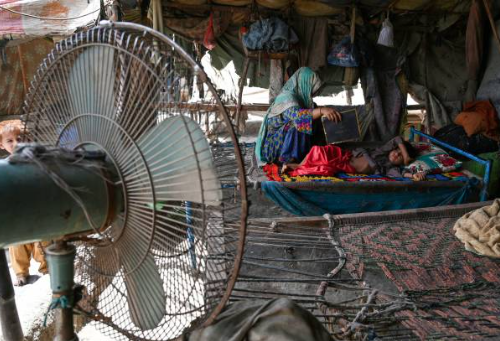
As global warming intensifies, Pakistan faces a stark reality in 2025: heatwaves are expected to arrive earlier than ever, disrupting daily life and posing serious health risks to the population. The record-breaking rise in temperatures has significantly worsened respiratory ailments, making them one of the country’s most urgent public health concerns. Researchers warn that without immediate and decisive action to mitigate the effects of extreme heat, Pakistan could witness a dramatic surge in heat-related deaths and long-term health consequences.
The Unexpected Early Arrival of Heatwaves
In previous years, heatwaves in Pakistan typically began in late May or June, peaking during the summer months of July and August. However, in 2025, the scorching heat arrived as early as March—catching both residents and authorities off guard. Meteorologists attribute this shift to the compounding effects of global warming, El Niño patterns, and widespread deforestation, all of which have intensified weather abnormalities across South Asia.
Urban centers such as Karachi, Lahore, Islamabad, and Multan have already recorded temperatures soaring above 45°C (113°F) in March and April—levels usually reserved for the height of summer. With heatwaves arriving prematurely, the population is left unprepared both mentally and physically. Vulnerable groups, including children, the elderly, and individuals with pre-existing respiratory conditions, are especially at risk.
The Link Between Heatwaves and Respiratory Issues
Extreme heat has been shown to worsen respiratory conditions, and the unprecedented heatwaves of 2025 have triggered a sharp rise in cases of asthma, bronchitis, and chronic obstructive pulmonary disease (COPD). Several key factors link heatwaves to increased respiratory health risks:
- Increased Air Pollution
Rising temperatures have significantly deteriorated air quality in Pakistan’s major cities. Ground-level ozone, a lung irritant formed during high heat, combined with industrial emissions and vehicular pollution, has worsened breathing conditions—particularly for asthma and bronchitis patients. - Dehydration and Mucosal Dryness
Heatwaves lead to excessive sweating and dehydration, which in turn dries out the respiratory tract. Dry mucous membranes are less effective at trapping dust, allergens, and microbes, increasing vulnerability to respiratory infections. - Impaired Lung Function and Heat Stress
Research shows that high temperatures directly affect lung function. As the body struggles to cool itself, respiratory rates increase, putting added strain on the lungs. For those with COPD and similar conditions, symptom management becomes significantly more difficult during extreme heat. - Increased Susceptibility to Infections
Bacteria and viruses thrive in hot, stagnant air. The combination of heat and pollution creates an environment where respiratory infections such as pneumonia and influenza spread more easily. Hospitals across Pakistan have reported a dramatic rise in cases of respiratory distress linked to prolonged heatwaves.
The Impact on Healthcare Facilities
Pakistan’s healthcare system is under immense pressure as hospitals struggle to accommodate the surge in heat-related respiratory cases. Emergency wards in cities like Karachi, Lahore, and Peshawar have seen a 40% increase in respiratory illnesses compared to previous years. Many facilities lack proper cooling equipment, compounding the suffering of patients.
In addition to respiratory cases, hospitals are overwhelmed by rising instances of heat stroke, dehydration, and cardiac emergencies. This growing burden highlights the urgent need for immediate governmental intervention.
Government and Public Response
Recognizing the gravity of the crisis, the government of Pakistan has implemented several emergency measures:
- Awareness Campaigns: Public health messages broadcast via radio, television, and social media educate citizens on how to stay safe during heatwaves.
- Water Distribution Stations: Hydration points have been set up across cities to help keep people cool and hydrated.
- Heatwave Shelters: Air-conditioned cooling centers are being designated for high-risk groups, including outdoor workers and the elderly.
- Tree Plantation Drives: Long-term efforts to plant trees in urban areas aim to mitigate rising temperatures and improve air quality.
However, climate experts warn that these short-term efforts are insufficient. They call for comprehensive, long-term strategies focused on climate resilience, urban planning, and significant reductions in carbon emissions.
Precautionary Measures for the Public
As heatwaves become increasingly common, individuals must adopt proactive steps to protect their respiratory health. Below are practical, tech-supported precautions to help prevent heat-related respiratory issues:
- Stay Hydrated: Drink plenty of water throughout the day to keep mucous membranes moist and effective. Use the Aller Aid app to track water intake and receive hydration reminders.
- Track Air Quality: Aller Aid’s air quality index feature helps users monitor local pollution levels and plan outdoor activities accordingly.
- Stay Indoors During Peak Heat Hours: Avoid going outside between 12 PM and 4 PM. The app sends timely reminders during the hottest parts of the day.
- Wear a Mask: Masks can help filter out pollutants and allergens. Aller Aid provides recommendations on medical-grade masks based on real-time air quality.
- Use an Air Purifier: Those living in polluted areas should consider using air purifiers indoors. The app suggests top-rated purifiers tailored to local environmental conditions.
- Keep Indoor Spaces Cool: Use fans, air conditioners, or wet cloths to lower indoor temperatures. The app also provides practical cooling tips.
- Monitor Symptoms and Seek Medical Attention: In cases of shortness of breath, persistent coughing, or chest pain, consult a healthcare provider immediately. Aller Aid enables users to track symptoms and offers guidance on when to seek medical help.
Conclusion
The premature onset of heatwaves in Pakistan in 2025 is a stark warning of the escalating impacts of climate change. With temperatures breaking records and respiratory illnesses on the rise, urgent action is required—both at the governmental and individual levels. While short-term interventions may alleviate immediate dangers, Pakistan must invest in long-term climate policies, pollution control, and healthcare infrastructure to protect its population from the intensifying heat.
Aller Aid plays a vital role in this effort by offering real-time air quality updates, personalized health tracking, and practical safety guidance. As climate unpredictability becomes the new normal, leveraging digital health tools like the Aller Aid app will be crucial in safeguarding public health and ensuring a safer future.